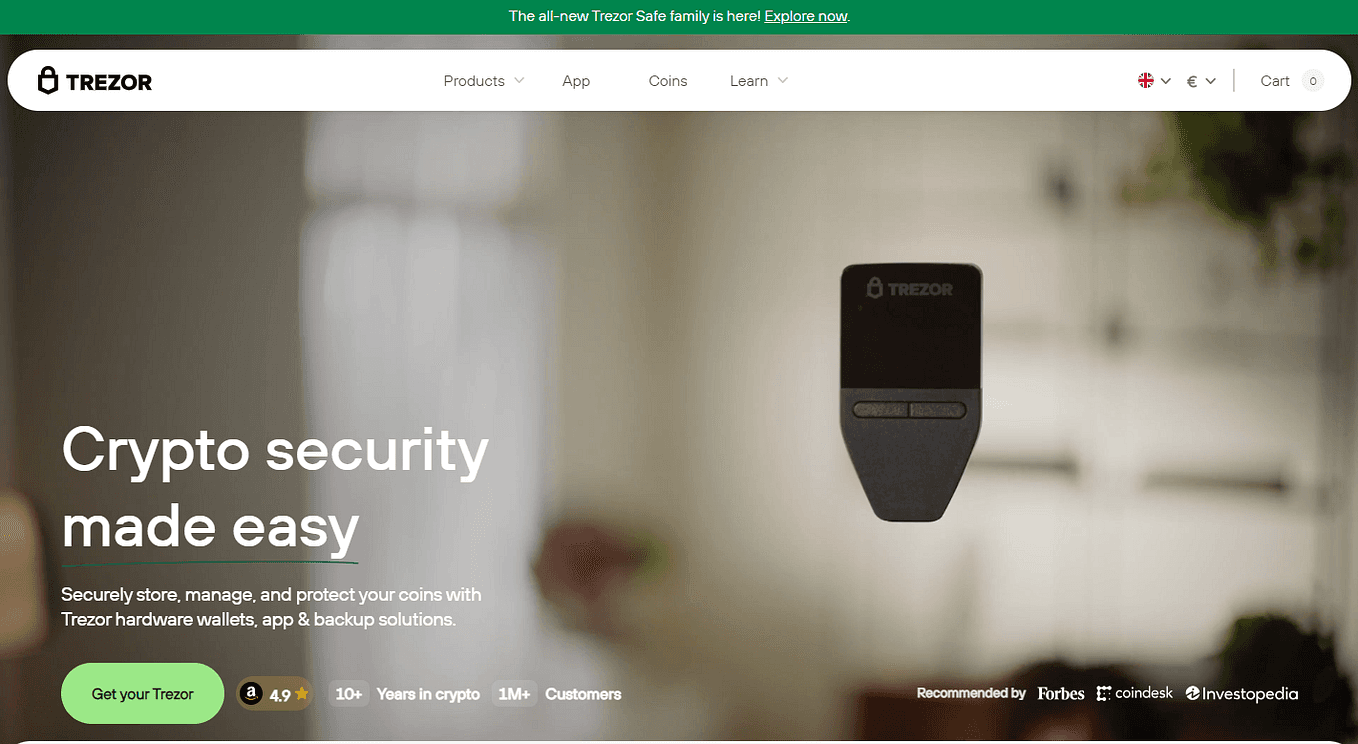
Trezor.io/start: Your Complete Guide to Setting Up a Trezor Hardware Wallet
In the rapidly expanding world of cryptocurrency, security is one of the most important considerations. Digital assets like Bitcoin, Ethereum, and other altcoins are valuable, but they are also vulnerable to online threats such as hacks, phishing, and malware. While software wallets offer convenience, they often expose your private keys to the internet. That’s where Trezor hardware wallets come in. Designed to store private keys offline, Trezor devices provide one of the safest ways to secure your cryptocurrency.
To ensure that your Trezor wallet is set up correctly and securely, Trezor provides Trezor.io/start, the official onboarding portal. This guide takes you step by step through initializing your device, setting up a PIN, generating and securing your recovery seed, and managing your cryptocurrencies. Following the official Trezor setup process is essential to protect your assets from loss or theft.
What is Trezor.io/start?
Trezor.io/start is the official starting point for configuring your Trezor hardware wallet. Whether you own a Trezor Model One or a Trezor Model T, this portal provides detailed instructions and resources to:
Initialize your Trezor device
Create a secure PIN
Generate and safely store your recovery seed
Connect your device to Trezor Suite, the official Trezor management application
Add and manage cryptocurrencies securely
Using the official Trezor setup guide prevents exposure to phishing websites or fraudulent instructions that could compromise your cryptocurrency holdings.
Why Trezor Hardware Wallets Are Essential
Trezor hardware wallets store your private keys in a secure offline environment. Unlike software wallets, which are connected to the internet and susceptible to hacks, Trezor devices keep your keys isolated, ensuring that they never leave the device. Transactions are signed offline and only broadcast to the network once confirmed, minimizing the risk of theft.
Key benefits of using a Trezor wallet include:
Enhanced Security: Private keys remain offline.
Multi-Currency Support: Manage hundreds of cryptocurrencies in one wallet.
User-Friendly Interface: Trezor Suite simplifies management for beginners and experienced users alike.
Secure Transactions: All operations require confirmation on the hardware device itself.
Step 1: Unboxing Your Trezor Device
Before you begin the setup process, carefully inspect your Trezor wallet:
Check the Packaging: Trezor devices come in tamper-evident packaging. Verify that it is intact.
Inspect the Device: Ensure the device is in perfect condition with no visible damage.
Verify Accessories: Your package should include the Trezor device, USB cable, lanyard, recovery card, and user manual.
If anything appears compromised, do not use the device and contact Trezor support immediately.
Step 2: Visit Trezor.io/start
Once your device is verified, navigate to Trezor.io/start. This official page provides secure, step-by-step instructions tailored for your specific device model. Following these instructions ensures that your wallet is set up securely and reduces the risk of phishing attacks or other fraudulent activities.
Step 3: Initialize Your Trezor Wallet
Initializing your Trezor wallet is a crucial step to ensure the security of your cryptocurrencies:
Connect the Device: Plug your Trezor into your computer or mobile device using the supplied USB cable.
Install Trezor Bridge: Trezor Bridge allows your device to communicate with Trezor Suite on your computer. The official portal provides download links and installation instructions.
Create a PIN: Select a secure PIN to protect access to your device. The PIN must be entered each time you use your Trezor.
Generate Recovery Seed: Your Trezor will generate a 12, 18, or 24-word recovery seed depending on your model. Write these words down carefully on the recovery card provided. Store it offline and in a safe location. Never store the recovery seed digitally or take photos of it.
The recovery seed is your ultimate backup. If your device is lost, stolen, or damaged, it is the only way to recover access to your funds.
Step 4: Install and Use Trezor Suite
Trezor Suite is the official application for managing your Trezor device. It provides a secure environment for storing, sending, and receiving cryptocurrencies.
To set up Trezor Suite:
Download Trezor Suite from the official Trezor website.
Install the application on your computer or mobile device.
Open Trezor Suite and follow the on-screen instructions to pair your Trezor device.
Verify the device’s authenticity through the Suite’s security check.
Trezor Suite allows you to monitor your portfolio, manage multiple accounts, and perform transactions securely. It also provides built-in updates for firmware and software, ensuring that your device always has the latest security features.
Step 5: Add and Manage Cryptocurrencies
Once your device is connected to Trezor Suite, you can start adding cryptocurrencies:
Open the Accounts tab in Trezor Suite.
Select the cryptocurrency you want to manage and follow the prompts to add it.
Repeat the process for multiple cryptocurrencies.
Trezor supports hundreds of coins and tokens, including Bitcoin, Ethereum, and popular ERC-20 tokens. You can manage multiple assets securely in one interface without compromising on safety.
Step 6: Sending and Receiving Crypto
Trezor Suite makes sending and receiving cryptocurrency safe and straightforward:
Receiving Crypto: Generate a receiving address for a chosen cryptocurrency. Verify the address on your Trezor device before sharing it.
Sending Crypto: Enter the recipient’s address and amount. Confirm the transaction on your device. This ensures that private keys never leave the Trezor device.
Because transactions are signed offline, even if your computer is compromised, your crypto remains secure.
Step 7: Maintain Maximum Security
To keep your Trezor wallet safe:
Never share your recovery seed.
Keep your PIN confidential.
Store the recovery card in a secure, offline location.
Regularly update Trezor Suite and firmware.
Avoid accessing your wallet on public or shared computers.
Following these best practices minimizes the risk of theft, loss, or unauthorized access.
Common Troubleshooting
Device Not Recognized: Ensure Trezor Bridge is installed and that your USB connection is secure.
Forgot PIN: Use your recovery seed to restore access to your wallet.
Lost Recovery Seed: Without the recovery seed, your funds cannot be recovered. Store it offline and in a secure location.
Benefits of Using Trezor and Trezor.io/start
High-Level Security: Private keys are stored offline in a secure element.
Multi-Currency Support: Manage hundreds of cryptocurrencies safely.
User-Friendly Interface: Trezor Suite simplifies portfolio management.
Secure Transactions: Every transaction requires confirmation on the device.
Durable and Portable: Designed to be compact, lightweight, and long-lasting.
Conclusion
Trezor.io/start is your official starting point for securely setting up your Trezor hardware wallet. By following the step-by-step instructions, you can protect your cryptocurrency from online threats, theft, and accidental loss.
From unboxing and initializing your device to installing Trezor Suite, adding cryptocurrencies, and performing secure transactions, Trezor.io/start provides a smooth and reliable onboarding process. Whether you are a new cryptocurrency user or an experienced investor, using a Trezor wallet with the official setup guide ensures peace of mind, full control over your assets, and the highest level of security for your digital wealth.